

Selecting the right nicotine strength is probably the most significant element when changing from smoking to vape (vejp). While unit variety and taste preference are subjective, nicotine distribution is just a quantifiable full that right influences consumer satisfaction. Incorrect strength selection is a respected reason for relapse into combustible tobacco use; too minimal, and cravings persist; too high, and the experience becomes uncomfortably harsh.
That manual reduces the complex aspects of nicotine attention to simply help users make knowledgeable choices based on the usage habits.
How is Nicotine Energy Calculated?
In the vaping business, nicotine strength is universally measured by fat per size, indicated as milligrams per milliliter (mg/mL).
This full shows simply how much natural nicotine is contained in one milliliter of e-liquid. As an example, a 10mL container labeled "6mg" includes 60mg of nicotine in total (6mg x 10mL).
Periodically, manufacturers show that as a portion by volume. This is a simple transformation research:
• 3mg/mL is around 0.3%
• 6mg/mL is approximately 0.6%
• 12mg/mL is around 1.2%
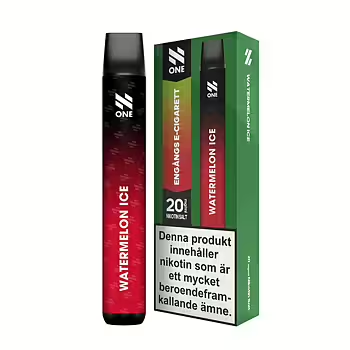
• 20mg/mL is approximately 2.0%
What Would be the Standard Business Sections?
E-liquids generally belong to particular groups on the basis of the form of nicotine applied (Freebase vs. Nicotine Salt) and the intended hardware.
Freebase Nicotine (Standard)
That sort produces an obvious "neck hit" that becomes stronger since the dose increases. It is on average for sale in the next batches:
• 0mg (Nicotine-Free): Utilized by those people who have weaned off nicotine entirely but keep the hand-to-mouth habit.
• 3mg: Considered very low. Ideal for "sub-ohm" devices that make large vapor volume.
• 6mg: Low to medium strength. Supplies a delicate neck hit.
• 12mg: Moderate to high strength. Suited to former pack-a-day smokers applying lower-power devices.
• 18mg: High strength. Gives a very strong neck attack, usually reserved for heavy smokers.
Nicotine Salts (Salts)
Designed to be smoother at larger levels, they're designed for low-wattage pod systems.
• 10mg - 20mg: Clean supply, usually the regulatory top in regions just like the UK and EU.
• 25mg - 50mg: Very good power (common in the US market), providing rapid absorption much like a cigarette.
How Do Consumption Habits Link to Strength?
Aligning vape water energy with prior smoking behaviors is essential for controlling nicotine dependency.
1. Social / Occasional Smokers: Individuals who smoking significantly less than five cigarettes per day generally involve little nicotine. A 3mg strength is usually ample to control desires without overwhelming the user.
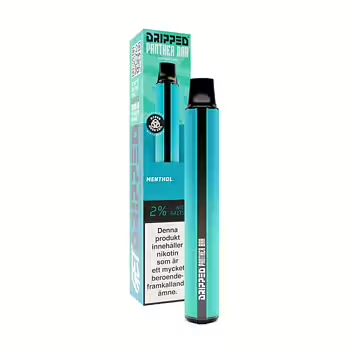
2. Mild to Moderate Smokers: These consuming half a pack to the full package daily usually find equilibrium at 6mg (in high-power devices) or 12mg (in low-power pens).
3. Major Smokers: Individuals smoking more than a package per day usually involve higher levels to replicate the nicotine distribution of tobacco. Starting with 18mg freebase or 20mg+ nicotine salts is frequently proposed to stop withdrawal symptoms.
Choosing the Right Balance
There is no one-size-fits-all solution. The equipment applied considerably impacts nicotine distribution; a robust device vaporizes more liquid per smoke, offering more nicotine than the usual smaller system using the same fluid strength.
If you experience problems or dizziness, the strength is likely too high. Alternatively, if you learn yourself constantly vaping without rest from cravings, the energy might be too low. Adjusting these parameters is a standard part of the process to find a sustainable option to smoking.